Tooth pain has a way of taking over your entire day. What starts as a mild sensitivity to hot or cold can quickly turn into a throbbing ache that makes it hard to eat, sleep, or even concentrate at work. In most cases, this kind of persistent pain points to an infection or inflammation deep inside the tooth, and that is exactly where root canal treatment comes in. Far from being the dreaded procedure it’s often made out to be, a root canal is one of the most effective ways to eliminate pain at its source while saving your natural tooth. If you’re searching for reliable Root Canal Treatment in Central Delhi, understanding how the procedure works can help ease your worries and help you make an informed decision.
Understanding Why Tooth Pain Happens
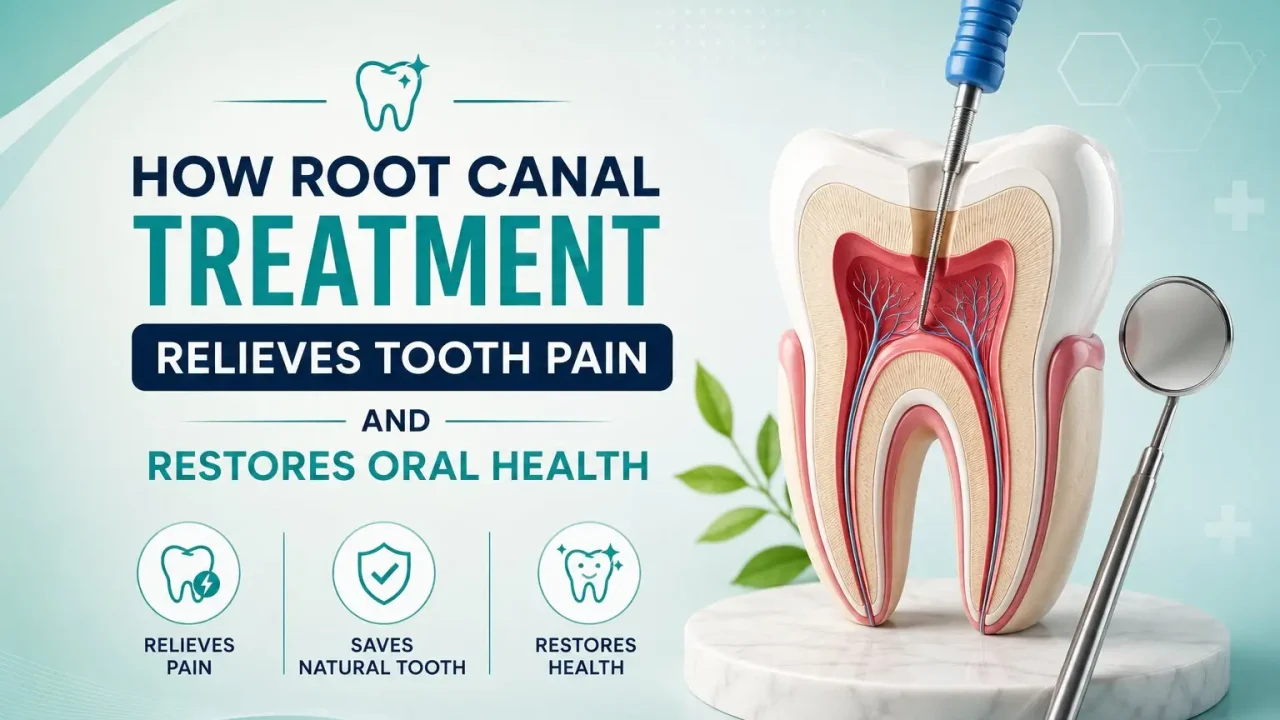
Every tooth has a soft inner core called the pulp, made up of nerves, blood vessels, and connective tissue. When decay, a deep crack, or repeated dental procedures allow bacteria to reach this pulp, it becomes infected and inflamed. Since the pulp chamber is enclosed by hard tooth structure, there is nowhere for the swelling to go, which is why the pain can feel so intense. Left untreated, the infection can spread to the bone surrounding the tooth root, leading to an abscess, swelling of the face, and even tooth loss. Recognizing early warning signs, such as sharp pain while chewing, prolonged sensitivity to temperature, or a small pimple-like bump on the gums, can help you seek treatment before the problem worsens.
What Happens During a Root Canal Procedure
The goal of root canal treatment is simple: remove the infected or damaged pulp, clean out the inner chambers of the tooth, and seal it to prevent further infection. The dentist begins by numbing the area completely so the procedure is virtually painless. A small opening is made in the tooth to access the pulp chamber, and the infected tissue is carefully removed using specialized instruments. The empty canals are then cleaned, shaped, and disinfected before being filled with a biocompatible material that seals them permanently. In most cases, a crown is placed afterward to restore the tooth’s strength and appearance, allowing it to function just like a natural tooth for years to come.
Why Saving the Natural Tooth Matters
Many patients initially assume that extraction is a simpler solution than a root canal, but preserving your natural tooth has significant long-term benefits. Natural teeth support proper chewing function, maintain the alignment of surrounding teeth, and preserve the jawbone structure. Replacing an extracted tooth with an implant or bridge is often more time-consuming and expensive than saving the original tooth through root canal therapy. Modern techniques, combined with effective anesthesia, have made the procedure comfortable and predictable, dispelling the myths that once made people fear this treatment.
Finding the Right Dental Care Team
The success of a root canal depends heavily on precision, sterile technique, and the experience of the dental team performing it. This is why choosing the Best Dental Clinic in New Delhi matters just as much as the treatment itself. A clinic equipped with modern diagnostic tools, digital X-rays, and rotary endodontic instruments can complete the procedure more efficiently and with greater accuracy, reducing the chances of complications or repeat visits. At Krisshnaa Dental & Multispeciality Care, patients receive personalized attention from consultation through recovery, ensuring that every step of the treatment is handled with care and clinical expertise.
The Role of an Experienced Dentist in Long-Term Oral Health
Beyond the procedure itself, ongoing oral health depends on the guidance and follow-up care provided by your dentist. Working with the Best Dentist in Central Delhi ensures that your treated tooth is monitored properly, your crown fits well, and any underlying issues are addressed before they escalate. A skilled dentist will also guide you on maintaining oral hygiene, adjusting your diet if needed, and scheduling regular check-ups to prevent future infections. This ongoing relationship with a trusted dental professional is often what makes the difference between a good recovery and a lasting, healthy smile.
Frequently Asked Questions
1. Is root canal treatment painful?
With modern anesthesia and techniques, the procedure itself is usually no more uncomfortable than getting a filling. Most patients report relief from pain, not an increase in it.
2. How many visits does a root canal typically require?
Depending on the complexity of the case, treatment can often be completed in one to two visits, followed by a separate appointment for the crown placement.
3. Will I need a crown after a root canal?
In most cases, yes. A crown protects the treated tooth from fracture and restores its natural chewing function and appearance.
4. How long does a root canal-treated tooth last?
With proper care and a well-fitted crown, a treated tooth can last a lifetime, functioning just like any other natural tooth.
5. What happens if I delay root canal treatment?
Delaying treatment can allow the infection to spread further into the jawbone, increasing pain, risk of abscess formation, and potentially leading to tooth loss. If you’re experiencing persistent tooth pain, don’t wait for it to worsen. Reach out to a trusted dental team for an evaluation and get back to living pain-free.