Maintaining healthy teeth is essential for comfortable eating, clear speech, and a confident smile. Although dentists always aim to preserve natural teeth whenever possible, some teeth become too damaged, infected, or unstable to be saved. In these situations, timely tooth extraction may help protect surrounding teeth and tissues while preventing existing dental problems from becoming more complicated.
Tooth Extraction in Central Delhi may be recommended when a tooth cannot be restored predictably or when removing it is the safest option for maintaining oral health. Understanding when extraction is necessary, what the procedure involves, and how to care for your mouth afterward can help you make informed decisions. At Krisshnaa Dental Clinic, patients can discuss their dental concerns and explore appropriate treatment options following a professional examination.
What Is Tooth Extraction?
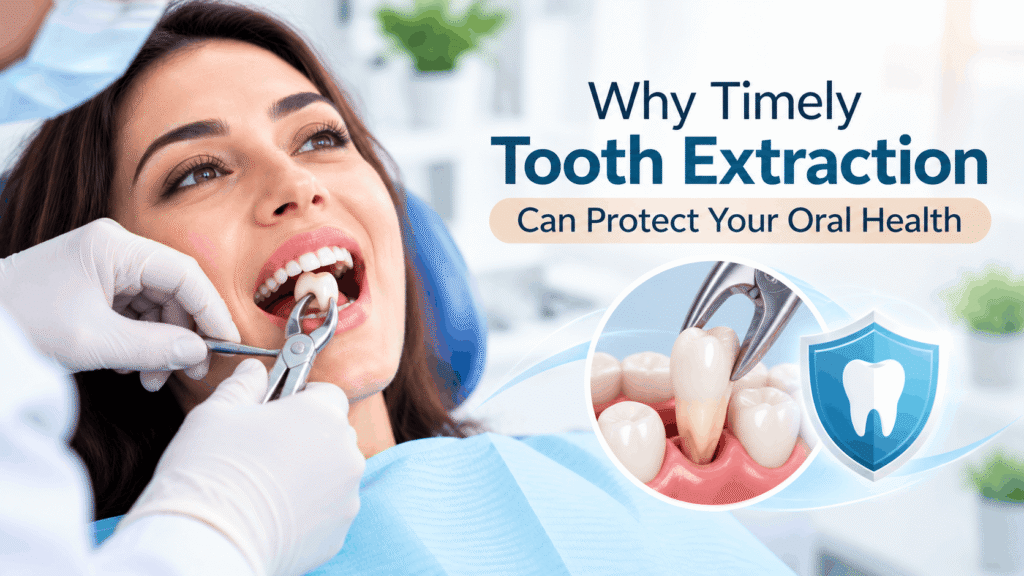
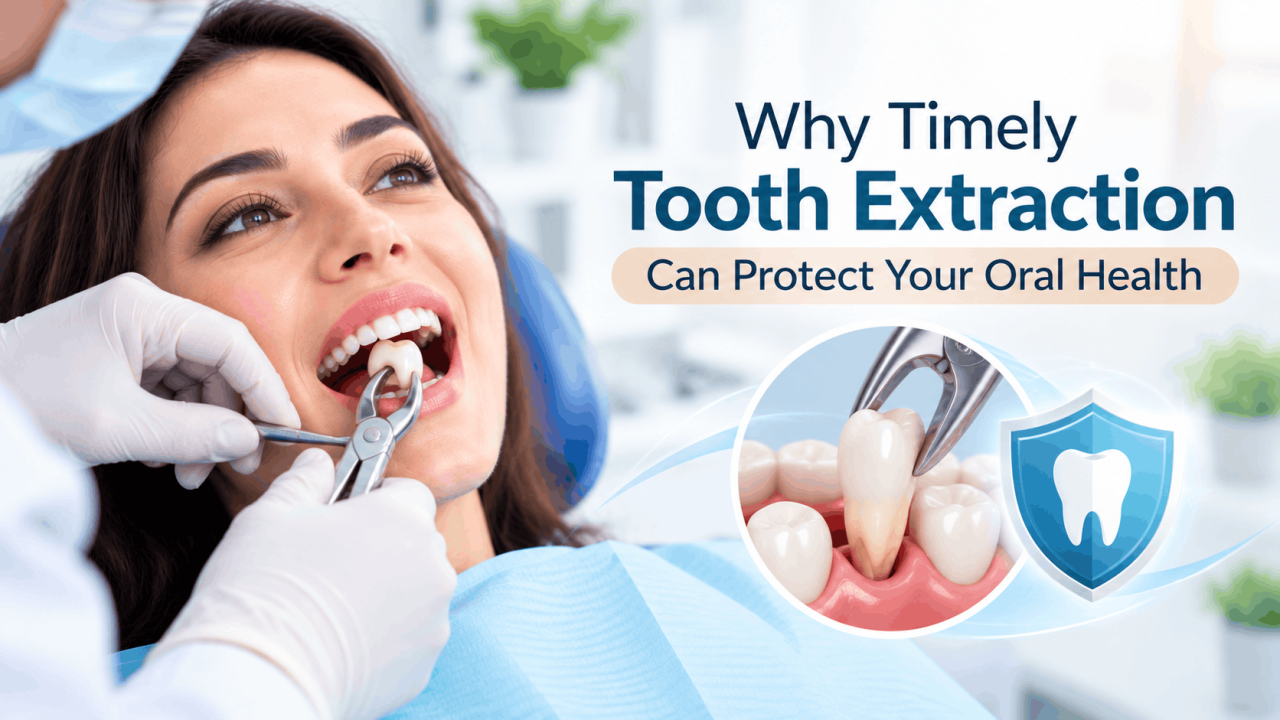
Tooth extraction is a dental procedure in which a tooth is removed from its socket in the jawbone. It may be necessary when a tooth is severely decayed, extensively fractured, affected by advanced gum disease, or associated with an infection that cannot be managed successfully through other treatments.
There are two main types of extraction. A simple extraction is generally performed when the tooth is visible above the gum line and can be removed using standard dental instruments. A surgical extraction may be required when a tooth is broken below the gum line, impacted, or difficult to access.
The appropriate procedure depends on the tooth’s position, condition, and surrounding anatomy.
Why Is Timely Tooth Extraction Important?
Delaying treatment for a severely damaged tooth can allow pain, infection, or inflammation to worsen. If the tooth cannot be saved, removing it at the appropriate time may help prevent further damage to nearby tissues.
An infected tooth can sometimes develop an abscess, which may cause swelling, tenderness, and significant discomfort. Dental assessment helps determine whether the tooth can be treated with procedures such as root canal treatment or whether extraction is necessary.
Timely treatment does not mean every painful tooth should be removed. The primary objective is to identify the cause of the problem and select the most appropriate treatment for the individual patient.
Signs You May Need a Tooth Extraction
Several dental symptoms may indicate that a tooth requires professional evaluation. Persistent toothache, pain while chewing, swelling around the gums, a severely broken tooth, or recurring infection should not be ignored.
Advanced gum disease can also weaken the supporting tissues and bone around a tooth, sometimes making it unstable. In addition, impacted wisdom teeth may require removal when they contribute to pain, repeated inflammation, decay, or damage to neighbouring teeth.
However, symptoms alone cannot determine whether extraction is necessary. A dentist may use clinical examination and dental X-rays to assess the tooth and recommend suitable treatment.
Can Tooth Extraction Prevent the Spread of Infection?
In certain cases, removing a tooth that cannot be predictably treated can help eliminate the source of a localized dental infection. However, extraction is not the only treatment for every infection, and additional care may sometimes be necessary.
For example, a tooth with infected pulp may be treatable through root canal treatment, allowing the natural tooth to remain in place. If the tooth is too damaged to restore, extraction may be recommended instead.
Facial swelling, fever, rapidly worsening pain, or difficulty swallowing requires urgent professional assessment. Difficulty breathing or swallowing because of swelling is a medical emergency.
What Happens During a Tooth Extraction?
The process usually begins with a consultation, examination, and appropriate imaging. Your dentist reviews the tooth’s condition, surrounding bone, medical history, and any medications that could affect treatment.
Local anesthesia is commonly used to numb the area and help keep the procedure comfortable. The dentist then carefully loosens and removes the tooth. Surgical extraction may involve additional steps, depending on the tooth’s position and condition.
After the procedure, you will receive instructions for controlling bleeding, managing discomfort, eating, and maintaining oral hygiene. Following these instructions supports healing and reduces the risk of complications.
What Are the Benefits of Timely Extraction?
When extraction is clinically necessary, timely treatment can offer several benefits. It may relieve symptoms caused by a severely damaged tooth, remove a source of persistent infection, and help protect nearby tissues from further problems.
Extraction may also be part of a broader treatment plan. For example, a damaged tooth may need to be removed before orthodontic treatment, while an impacted wisdom tooth may require removal to address recurring symptoms.
The benefits depend on the underlying condition. Your dentist should explain the expected outcome, potential risks, and alternatives before proceeding.
What Happens After Tooth Extraction?
Healing varies according to the type of extraction, the patient’s general health, and the complexity of the procedure. Some soreness, mild swelling, and minor bleeding can occur after extraction.
Your dentist may recommend avoiding smoking, vigorous rinsing, drinking through a straw, and strenuous activity during the initial healing period. These precautions help protect the blood clot that forms in the socket.
Follow the specific instructions provided by your dental team. Contact your dentist if you develop worsening pain, persistent bleeding, increasing swelling, fever, or other unexpected symptoms.
Replacing a Missing Tooth After Extraction
Removing a tooth may resolve an immediate dental problem, but the space left behind can affect chewing and tooth alignment, depending on its location. Over time, neighbouring teeth may shift, and the underlying jawbone can change.
Depending on your needs, your dentist may discuss replacement options such as a dental implant, bridge, or removable partial denture. Not every extracted tooth requires the same replacement plan, and the decision depends on function, oral health, cost, and individual preferences.
Planning ahead can help you understand the available options and maintain a balanced, functional smile.
Choosing a Dental Clinic in New Delhi
When searching for a Dental Clinic in New Delhi, consider the clinic’s diagnostic facilities, hygiene standards, professional experience, communication, and follow-up care.
A comprehensive dental assessment should explain whether extraction is genuinely necessary or whether the tooth can be preserved. Patients should have an opportunity to discuss treatment alternatives, expected recovery, possible complications, and tooth-replacement options where relevant.
Expert Guidance From the Best Dentist in Central Delhi
Choosing the Best Dentist in Central Delhi means finding a qualified professional who evaluates your condition carefully and explains the reasons for recommending treatment.
At Krisshnaa Dental Clinic, patients can discuss symptoms, receive a dental evaluation, and explore suitable options for maintaining oral health. The focus should always be on making informed decisions based on the condition of the tooth and the patient’s individual needs.
Conclusion:
Timely tooth extraction can protect oral health when a tooth is severely damaged, unstable, or impossible to restore predictably. Removing such a tooth may help address persistent infection, relieve symptoms, and prevent certain complications. However, preserving the natural tooth remains preferable whenever it can be treated successfully.
If you are experiencing persistent tooth pain, swelling, or difficulty chewing, seek professional advice rather than delaying care. A consultation for Tooth Extraction in Central Delhi at Krisshnaa Dental Clinic can help determine whether extraction, root canal treatment, or another dental procedure is appropriate.
With an accurate diagnosis, suitable treatment, and proper aftercare, you can take important steps toward maintaining a healthier mouth and a confident smile.
FAQs – Tooth Extraction in Central Delhi
1. When is tooth extraction necessary?
Extraction may be recommended when a tooth is severely decayed, fractured, affected by advanced gum disease, impacted, or otherwise cannot be restored predictably. Your dentist will evaluate whether alternatives can preserve the tooth.
2. Is tooth extraction painful?
Local anesthesia is commonly used to numb the area during extraction. Some soreness and swelling may occur afterward, but following your dentist’s aftercare instructions can help manage recovery.
3. Can an infected tooth always be extracted?
No. Some infected teeth can be treated with root canal treatment and restored. Extraction may be recommended when the tooth cannot be predictably saved or when removal is otherwise clinically appropriate.
4. How long does it take to recover after tooth extraction?
Initial healing often takes several days, while the socket and surrounding tissues continue healing over subsequent weeks. Recovery depends on the tooth, procedure, and individual health.
5. Should I replace a tooth after extraction?
Replacement may be beneficial depending on the tooth’s location, chewing function, and overall dental condition. Options can include dental implants, bridges, or removable dentures. Your dentist can explain which choices suit your needs.